
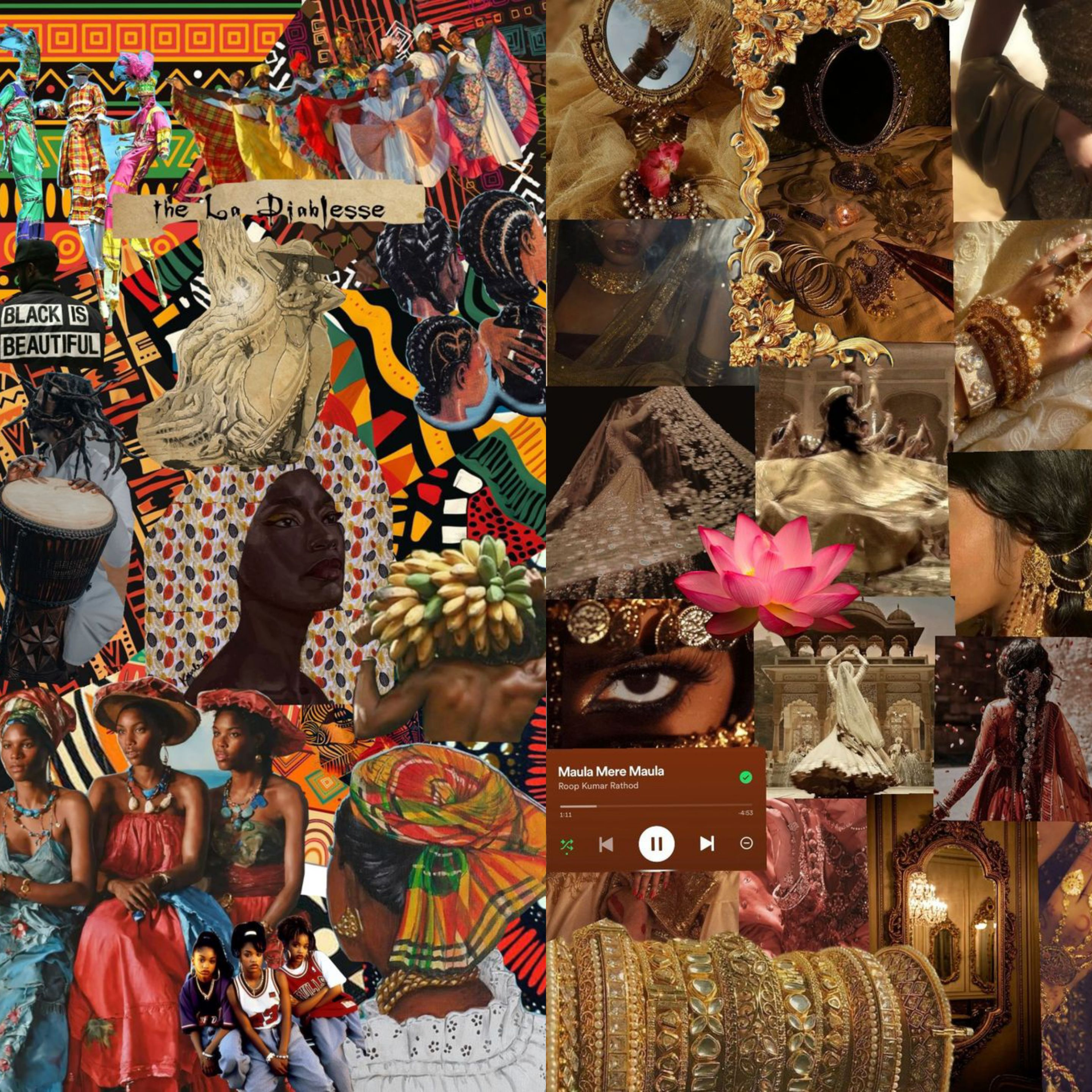
When I moved to Canada from Sri Lanka in 2023, the first thing I was most excited about was starting school. My first few days of school went pretty well, from the warm welcomes given by my teachers and peers, to the wonderful friends I made. But then, when I got closer to one of those friends I made, she mentioned that she thought I would have a “brown” accent and that she was surprised that I knew any English at all, let alone have a British accent. I, having grown up in major cities my entire life and gone to private schools that had English as its instruction language, was extremely surprised by this remark of hers. At the time, I didn’t know that she hadn’t been to her motherland and had mostly learned all she knew from social media. It was at that moment, I truly understood the importance of representing South Asians and Indo-Caribbeans, or as social media would lovingly call “the Brown community,” accurately.
First of all, accurate representation is extremely important because it helps dismantle the long-standing stereotypes of South Asians and Indo-Caribbeans. These communities are often portrayed in a very narrow and repetitive way: individuals with heavy accents, large families, specific food preferences like butter chicken or curry, and career paths limited to doctors, engineers, or farmers. While these traits may apply to some individuals, they do not reflect the reality of an entire and highly diverse population. In truth, South Asians and Indo-Caribbeans come from a wide range of socioeconomic backgrounds, educational experiences, and personal interests. Some may strongly connect with traditional customs, while others may have more global or Westernized identities. When social media continues to reinforce only one version of this identity, it creates a generalized image that overlooks the individuality within the community. By providing more accurate and varied representations, media can challenge these stereotypes and allow people to see South Asians and Indo-Caribbeans as multifaceted individuals rather than one-dimensional characters.
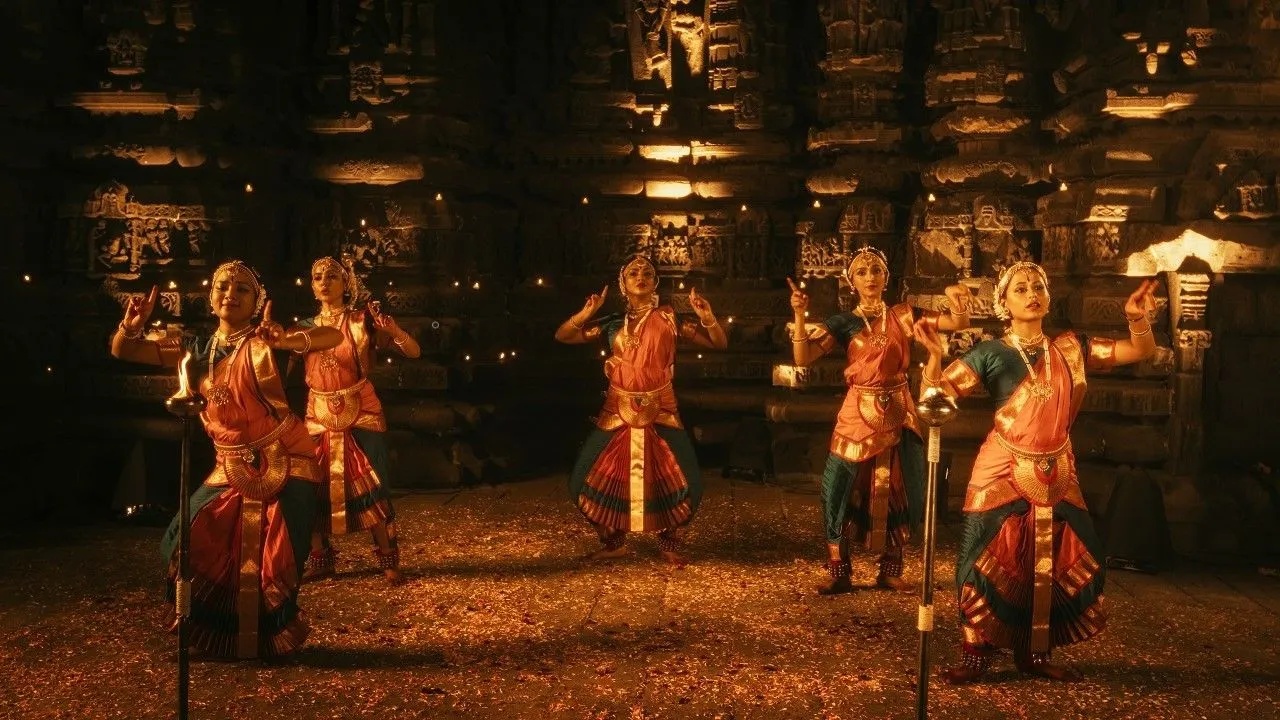
This also connects to the need to debunk the “model minority” myth. Although this stereotype may appear positive by suggesting that South Asians and Indo-Caribbeans are naturally hardworking, intelligent, and successful, it can actually be quite harmful. It ignores the struggles that many individuals within these communities face, including financial hardships, mental health challenges, discrimination, and the pressure to meet high expectations. This stereotype can create an unrealistic standard that young people feel obligated to live up to, often leading to stress, anxiety, and feelings of inadequacy when they are unable to meet those expectations. It can also discourage individuals from pursuing careers or passions outside of what is traditionally expected, limiting their personal growth and self expression. Therefore, accurate representation is necessary to show that success is not universal and that struggles are valid and deserve recognition.
These ideas were further emphasized by Maitreyi Ramakrishnan, a fellow Tamil-Canadian who played Devi Vishwakumar, the protagonist of the show Never Have I Ever. She once explained in an interview, that “[she] realized Devi can’t represent all South Asian experiences. But then [she] realized too, neither can Maitreyi—the person beyond the screen. [She] can only just be [her]” (Marcelline). This supports my argument because Maitreyi Ramakrishnan explains the fact that the lives of “brown” people aren’t limited to one specific story; every person has their own unique experience. Furthermore, this highlights the fact that no single story or model minority captures the full diversity of South Asian and Indo-Caribbeans.

Furthermore, South Asians and Indo-Caribbeans often experience “othering” and discrimination, which can have a direct impact on mental health and self esteem. When individuals are constantly portrayed as different or outside of the norm, it can create a sense of exclusion and isolation. This is especially harmful for young people who are still developing their identities and sense of belonging. Studies show that 58% of South Asians and Black girls report seeing “mostly white girls” portrayed as beautiful and successful on social media platforms (Caddock). This lack of representation can lead to internalized feelings of inferiority and shame about one’s cultural background. It may also cause individuals to feel pressured to conform to dominant beauty standards in order to be accepted. On the other hand, when people see others who look like them being represented positively and authentically, it can boost confidence, foster self acceptance, and create a stronger sense of identity. Accurate representation therefore plays a crucial role in supporting the mental well being of individuals within these communities.
Last but certainly not least, accurate representation is vital for showcasing cultural heterogeneity. The “Brown” community is often treated as a monolith, but in reality it consists of a vast range of cultures, languages, religions, and traditions. For example, India isn’t the only place where supposedly “brown” people can be from; you could be from Sri Lanka, Pakistan, Bangladesh, Nepal, Guyana, Trinidad and Tobago, Fiji and so many other countries. Each of these regions has its own unique history and cultural practices that deserve to be recognized and understood. When social media fails to highlight this diversity, it erases important aspects of people’s identities and reinforces the false idea that all “brown” individuals are the same. By representing different cultures accurately and respectfully, media can educate audiences and promote a deeper appreciation for diversity.
In conclusion, accurate representation of South Asians and Indo-Caribbeans in social media is essential for dismantling stereotypes, challenging harmful myths like the model minority, addressing issues of discrimination and mental health, and celebrating the rich diversity within these communities. Social media has a powerful influence on how people perceive others, and with that power comes responsibility. When used thoughtfully, it can be a platform that uplifts voices, shares authentic stories, and ensures that everyone feels seen, heard, and valued.
Works Cited
Akbar, Marshia. “Navigating the Identity Spectrum: South Asian Diversity in Canada and Its Impact on Employment Integration.” Toronto Metropolitan University (TMU), www.torontomu.ca/cerc-migration/research/themes/project-brief/sadie/. Accessed 16 Feb. 2026.
Craddock, Nadia. “Representation Matters: Exposure to Advertisements Featuring Models with Different Skin Shades Affects Body Image, Well-Being and Advertising Effectiveness among South Asian Women in the UK.” Science Direct, Mar. 2025, www.sciencedirect.com/science/article/pii/S1740144525000099.
Deebrah, Miranda. “We the Heroes: A Look at South Asian Representation in Western Media.” Brown Girl Magazine, 22 Sept. 2020, browngirlmagazine.com/we-the-heroes-a-look-at-south-asian-representation-in-western-media/.
Marcelline, Shei. “Maitreyi Ramakrishnan: Because There Ain’t No Time Like the Present.” Maitreyi Ramakrishnan | Because There Ain’t No Time Like The Present, 2023, www.flaunt.com/blog/maitreyi-ramakrishnan-first-time-offenders. Shah, Zeljka Hadija. “Debunk: The Model Minority Myth.” UBC Equity & Inclusion Office, 2 June 2021, equity.ubc.ca/news-and-stories/debunk-the-model-minority-myth/#:~:text=WHAT%20IS%20THE%20MODEL%20MINORITY,the%20unreal%20and%20problematic%20stereotype.