


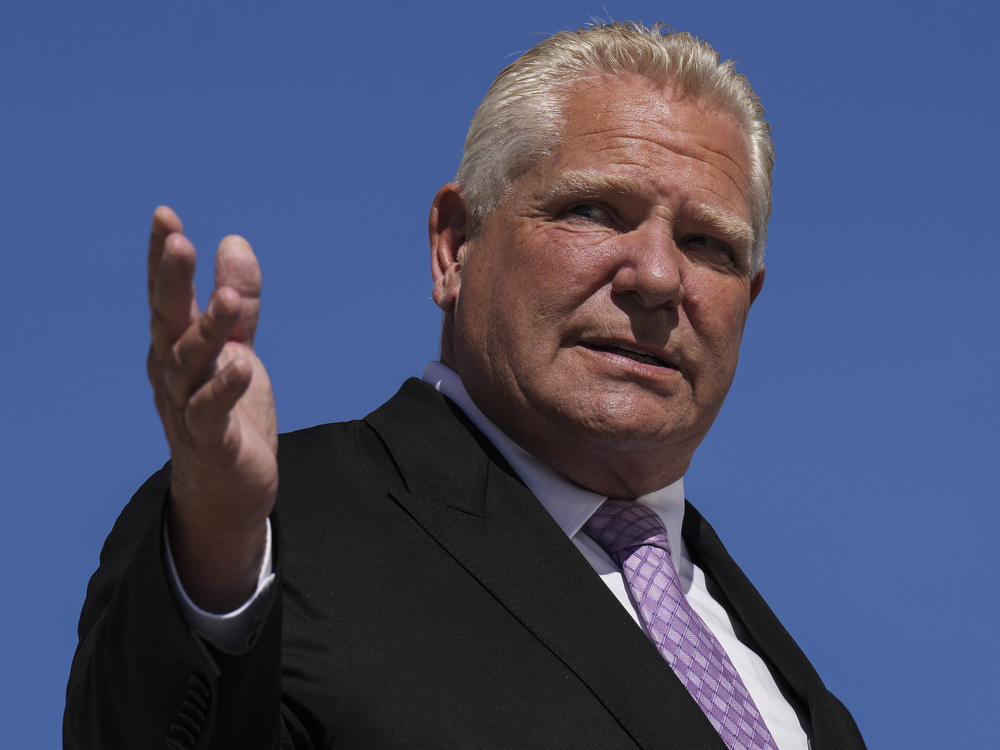
Postsecondary education is widely viewed as a pathway to opportunity and long-term success, yet the rising cost of attending postsecondary institutions remains a barrier for thousands of students. In Ontario, the Ontario Student Assistance Program (OSAP) has been essential in making higher education more accessible by providing a combination of grants and loans to those in need. However, recent policy changes introduced by the provincial government under Doug Ford, will significantly reduce the proportion of grant funding available beginning in fall 2026. As financial support shifts increasingly towards loans, these changes raise growing concerns about student debt, equal access to education, and the broader long-term consequences for individuals and society.
What is OSAP?
OSAP stands for the Ontario Student Assistance Program. It is a government financial aid program that offers help to Ontario students. This is used to help pay for postsecondary schooling through both repayable loans and non-repayable grants. Students often use this for many school essentials, such as tuition, books, and living expenses.
Different amounts of funding are given based on a student’s financial need. Some of these variables include educational costs, course load, personal financial situation, and program hours. Students may also be able to get financial aid based on their identity–such as being Indigenous, or a person with a disability.
Those eligible for OSAP are Canadian citizens, permanent residents, or protected persons pursuing education in Ontario. As well, OSAP does not give financial aid to students who have enough financial resources to cover expenses.
What is the issue?
Starting in the fall of 2026, the Ontario government–under Doug Ford–is greatly decreasing the amounts that students can get from OSAP grants. The maximum grant portion of 85% is now being slashed to 25% of provincial aid. With this, students will need to shift and take 75% loan debts. To put this into perspective, a student paying $10,000 for tuition could be eligible for a maximum OSAP grant of $8,500 in grants. However with these cuts, they would now only receive $2,500 at the maximum.
The Ontario government claims that this is being done to restore sustainability to the OSAP system, as it is facing a $2.3 billion pressure. It is said that their goal is to prevent the program’s costs from rising to $4.1 billion by 2028-29. They claim that this is being done to ensure future generations are able to access this financial aid as well.
Further, the tuition freeze was lifted, meaning tuition fees can now raise by 2% per year.
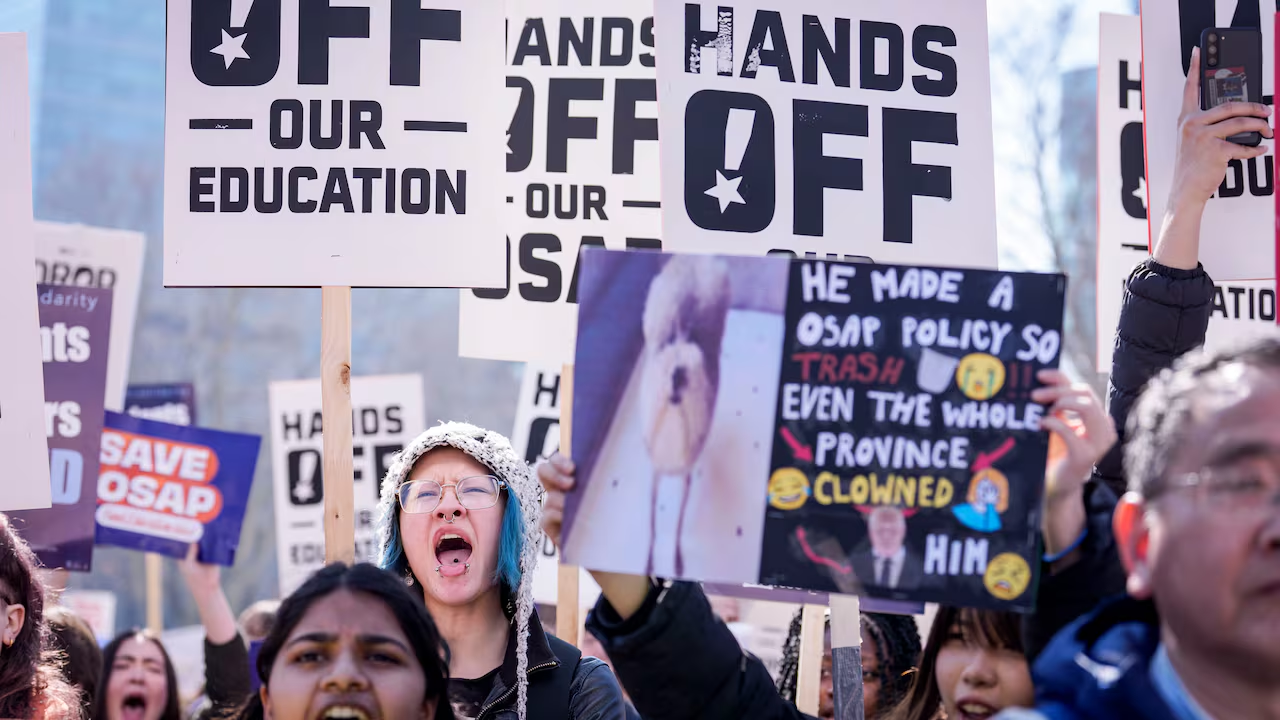
What are the impacts?
The reason why this is an issue is because with the new changes from this, students who might graduate from university or college will be paying even more debt than others before them. With this, more students are going to have to pay more at the end of their undergraduate degrees, bachelor of arts or their masters, etc. Also for future college and university students, this impacts them with financial burdens that they are going to have to face in the long run with this change in tuition and more loans, thus more money is being owed instead of getting grants, so they (the university and college students) don’t have to pay more money for the tuition.
In conclusion, the reduction of OSAP grants and the increased reliance on student loans will significantly heighten the financial burden on students across Ontario. Although the government maintains that these changes are necessary to ensure the long-term sustainability of the Ontario Student Assistance Program, they risk making postsecondary less attainable, especially for students from lower income backgrounds. As tuition continues to rise and grant funding declines, many students will be forced to take on greater debt, leading to increased financial pressure both during and after their studies, over time, this may discourage individuals from pursuing higher education altogether. Ultimately, maintaining accessible and affordable education is essential, as it shaped not only individual opportunities but also the social and economic future of the province.
Sources:
https://www.cbc.ca/news/canada/toronto/osap-cuts-what-you-need-to-know-9.7106144

